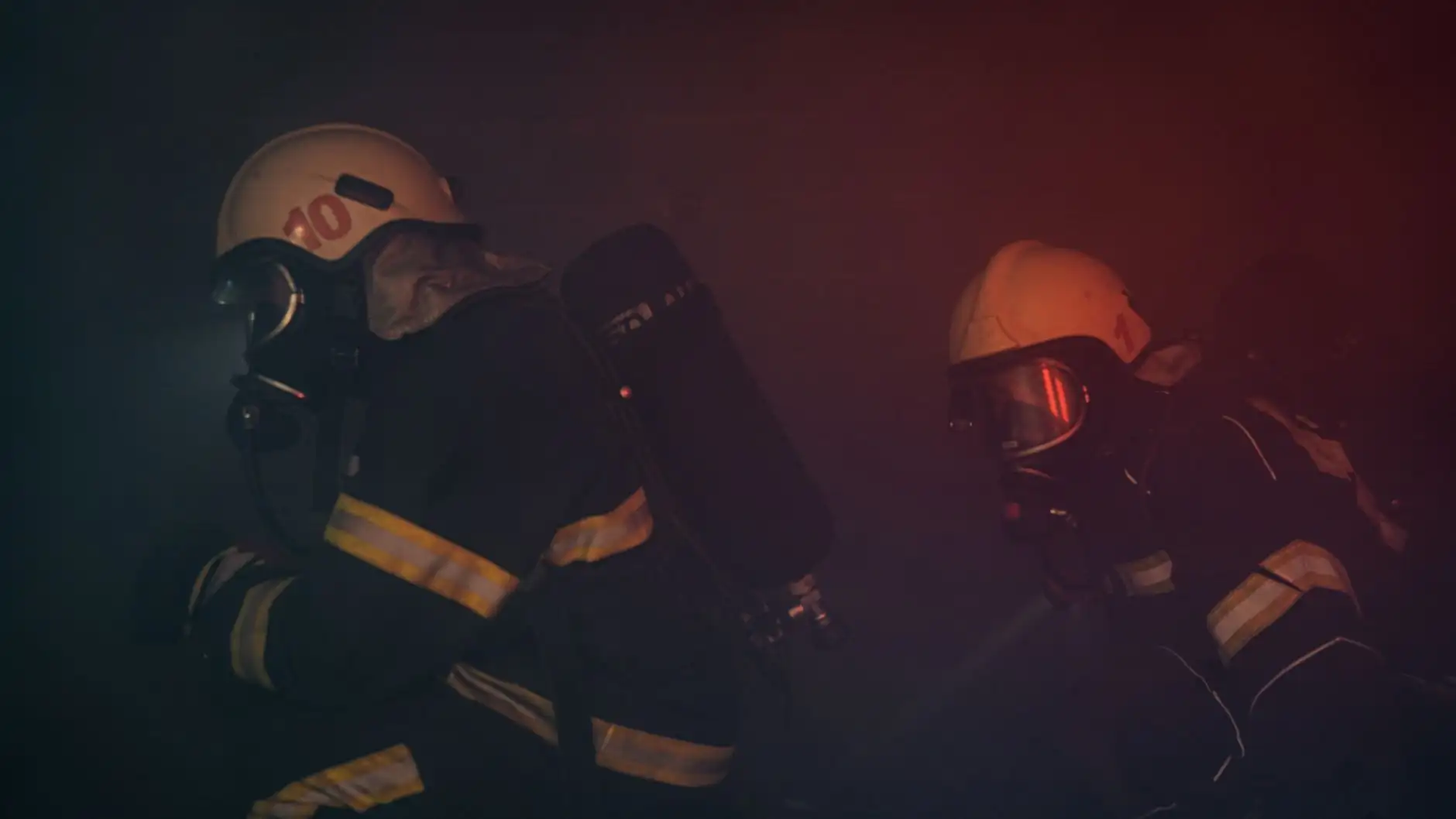
The tragic loss of three dedicated individuals recently underscored the profound risks inherent in wildland firefighter safety. Emily Barker, Nick Hutcherson, and Sydney Watson were remembered for their bravery after being overcome by fast-moving flames in western Colorado, a stark reminder of the sacrifices made on the fire lines. Their deaths serve as a poignant focus for conversations around the extraordinary perils faced by those who battle nature’s fury.
The Ultimate Sacrifice on the Fire Line
Wildland firefighters gathered in solemn tribute this past Sunday, honoring three of their own who perished a week prior while confronting an unforgiving blaze. Chief Brian Fennessy of the U.S. Wildland Fire Service spoke at a memorial service in Grand Junction, Colorado, near the area where Emily Barker, Nick Hutcherson, and Sydney Watson lost their lives battling flames along the Colorado-Utah border. These individuals, members of a specialized Helitack crew known for deploying into remote areas , were trapped by the inferno on June 27 in Mesa County.
Two other crew members sustained burn injuries in the same incident, highlighting the pervasive danger. The fallen firefighters had reportedly deployed emergency protective shelters—often considered a “last resort” when no other escape route is viable. How many truly grasp the daily peril faced by these crews, who confront chaos with unwavering purpose?
“They showed up to make order out of chaos day after day with purpose, dedication and heart.” — U.S. Wildland Fire Service Chief Brian Fennessy
Sarah Fisher, the U.S. Forest Service’s deputy chief for fire and aviation management, echoed this sentiment, emphasizing the profound demands of their profession. “The work demands long days, heavy burdens and quiet acts of bravery,” she remarked. The sheer courage required to face such forces, day in and day out, is often profoundly underestimated by the general public. While the specific fire that claimed these lives is now almost entirely contained, its impact resonates deeply across the entire wildland fire community, prompting a renewed focus on enhancing wildland firefighter safety.
A Worsening Crisis: Western Wildfires and Their Fuel
The tragedy unfolds against a backdrop of an escalating wildfire crisis across the Western United States. Currently, nearly 40 large fires continue to rage, scattered predominantly across Colorado, Utah, and New Mexico, with others burning in eight additional states, stretching from Alaska down to Arizona. This pervasive threat has led to widespread destruction and continuous evacuations, placing immense strain on communities and emergency services.
Over the recent holiday weekend, for instance, residents in four Colorado counties faced evacuation orders as the Aspen Acres fire consumed approximately 136 square miles south of Colorado Springs. What environmental factors contribute to such widespread and intense fire activity? Experts point to a confluence of severe conditions: months of dry weather, a record lack of snow during the preceding winter in several key regions, and unpredictable, erratic winds. These elements combine to create an environment where fires ignite easily and spread with terrifying speed and intensity.
Historically, the Western states have always experienced fire seasons, but the duration and ferocity of recent years suggest a worrying trend. The increased frequency of such extreme weather patterns places an ever-growing burden on resources and, critically, on wildland firefighter safety. Are current strategies sufficient to mitigate these evolving threats? The scale of the current blazes demands a re-evaluation of prevention, response, and resource allocation to protect both communities and the brave individuals who defend them.
The Profiles of Heroism and Loss
Behind every statistic of loss are individuals with lives, families, and passions. Emily Barker, at 38, exemplified this vibrant spirit. Hailing from Clinton Township, Michigan, Barker was described by friend and former roommate Sarah Brubeck Schnurbusch as someone whose presence inspired those around her to be better. Her adventurous spirit manifested in a love for hiking, skiing, dirt biking, and playing hockey—activities that speak to a profound connection with the outdoors she ultimately served to protect.
Brubeck Schnurbusch fondly recalled, “I’ve never seen someone so excited to go to work,” a testament to Barker’s deep passion for firefighting. This enthusiasm is common among those drawn to the challenging and often dangerous profession. What drives individuals to choose a career path fraught with such inherent risks?
Nick Hutcherson and Sydney Watson, though not detailed in the same depth, undoubtedly shared this same commitment and courage. They were, like Barker, public servants who left an indelible impact on their communities. These firefighters, part of the elite Helitack crew, represent a specialized segment of the wildland firefighting force, requiring exceptional skill, bravery, and resilience. Their deployment by helicopter into remote, often treacherous terrain underscores the unique demands placed upon them, making wildland firefighter safety a complex and multifaceted challenge.
Wildland Firefighter Safety: What Happens Next?
The tragic events in Colorado serve as a stark reminder of the constant dangers inherent in wildland firefighting and underscore the urgent need for continuous vigilance and adaptation. This incident prompts critical questions about how we can better support and protect these frontline heroes. What steps are being taken to refine training protocols, improve equipment, and enhance real-time situational awareness for crews operating in dynamic and hostile environments?
Going ahead, the focus must remain steadfast on robust investment in advanced technology, comprehensive safety protocols, and psychological support for those who endure the physical and emotional toll of these fires. The weight of this tragedy extends beyond the immediate families and colleagues, touching the entire nation that benefits from their selfless service. Ensuring optimal wildland firefighter safety requires a multi-pronged approach that includes public education on fire prevention, responsible land management, and sustained governmental support for fire services.
As communities across the West brace for potentially intensifying fire seasons, the legacy of Emily Barker, Nick Hutcherson, and Sydney Watson will undoubtedly fuel a renewed commitment to safeguarding those who run toward the flames. Their sacrifice demands not just remembrance, but concrete action. It is imperative that all stakeholders work collaboratively to minimize future risks and honor the ultimate sacrifices made in the line of duty.
Understanding Wildland Firefighting Risks – Disclaimer
The information provided in this piece regarding wildland firefighting conditions, incidents, and safety protocols is for general informational purposes only. It does not constitute operational advice, professional safety guidance, or recommendations for emergency response. Individual circumstances and fire situations vary significantly, and the complexities of wildland firefighting require expert training and real-time assessment. Readers should consult qualified fire safety professionals or official emergency services for specific advice related to fire prevention, safety, or response in their area.
Frequently Asked Questions