
Top Secured Credit Cards to Build Credit Fast: Reviews and Guide
Top Secured Credit Cards to Build Credit Fast: Reviews and Qualification Guide

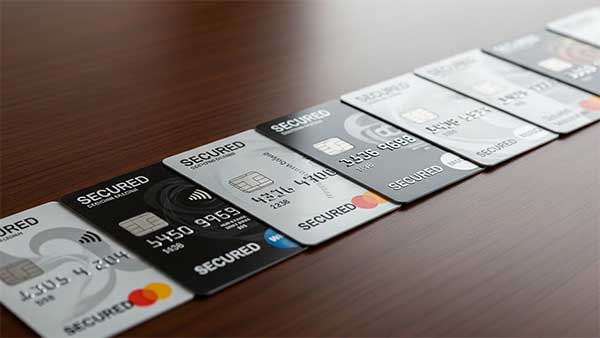
The journey toward strong financial health often starts with a single, critical tool: the right credit card. If you are starting fresh with no credit history, or if past financial struggles have left you with a less-than-ideal score, the path to a high-limit, low-APR card can feel impossible. This is where Secured Credit Cards step in, acting as a powerful, low-risk bridge to the financial mainstream.
A Secured Credit Card is not a sign of failure; it is a calculated, strategic investment in your future creditworthiness. It allows you to demonstrate responsible borrowing behavior without taking on the high risk that traditional lenders fear. The secret is the refundable security deposit, which minimizes the lender’s exposure and drastically increases your approval odds for a Secured Credit Card.
In this comprehensive 2026 guide, we analyze the leading Secured Credit Cards on the market, comparing their fees, upgrade paths, and the unique features that make them the most effective tools for building credit quickly. We’ll show you exactly what to look for, how to qualify, and the simple habits that turn a secured card into an unsecured one within months.
What Makes a Secured Credit Card the Ultimate Credit Builder?
The core mechanic of a Secured Credit Card is simple, yet often misunderstood. It works just like a standard Visa or Mastercard for purchases, but the deposit is the key difference.
The Collateral Advantage
A traditional, unsecured credit card grants you a line of credit purely based on the lender’s trust in your repayment ability. A secured card, conversely, requires a cash deposit—usually $200 to $300—that serves as collateral. This deposit is held in a separate, often interest-bearing, savings account and usually determines your credit limit. For new builders, finding the right Secured Credit Card is the foundational financial priority.
Minimizing Risk: Because the issuer holds your money, they face minimal risk of loss if you default. This allows them to offer the card to applicants who have poor credit (FICO scores below 620) or no credit history whatsoever.
The Refund: The deposit is refundable. Once you demonstrate responsible usage and upgrade to an unsecured card, or if you close the account with a zero balance, you get your money back.
The Crucial Role of Reporting
The power of Secured Credit Cards lies not in the spending, but in the reporting. The best cards report your payment activity to all three major credit bureaus: Experian, Equifax, and TransUnion. This regular, consistent reporting of on-time payments forms the foundation of a strong credit profile.
The vast majority of your FICO score relies on two factors: Payment History (35%) and Credit Utilization Ratio (30%). A secured card directly impacts both. By making timely payments, you ace the first category. By keeping your balances low (ideally under 10% of your small limit), you optimize the second.
Top Secured Credit Cards for 2026: Reviews
While many regional banks offer secured cards, our focus is on national issuers who offer clear upgrade paths, low fees, and robust digital features necessary for quick credit building.
1. Discover it Secured Credit Card: Best for Rewards and Graduation
The Discover it Secured Card is often considered the gold standard in the secured category because it is one of the few that offers a clear, automatic upgrade path coupled with rewards. For consumers prioritizing rewards while rebuilding, this Secured Credit Card is unrivaled.
Rewards Structure: Cardholders earn 2% cash back at gas stations and restaurants (on up to $1,000 in combined purchases each quarter) and an unlimited 1% cash back on all other purchases. This is an unparalleled rewards program in the secured space.
Automatic Upgrade: Starting after the seventh month of account opening, Discover automatically begins monthly reviews to see if you qualify to transition to an unsecured card and receive your deposit back. This clear timeline motivates users to practice excellent credit hygiene.
Unique Insight: The card includes the Cashback Match™ feature, where Discover automatically matches all the cash back you’ve earned at the end of your first year. This first-year bonus can significantly offset the opportunity cost of having your deposit locked away.
Affiliate Integration: Ready to start earning while you build credit? ➡️ APPLY NOW: See if the Discover it Secured Credit Card is the right fit to start your credit journey today.
2. Capital One Platinum Secured Credit Card: Best for Low Minimum Deposit
The Capital One Platinum Secured Card stands out for its flexibility, particularly regarding the security deposit. This makes it an ideal choice for those who are credit-challenged and have limited cash flow. It is highly accessible for those seeking an entry-level Secured Credit Card.
Flexible Deposit: Qualified applicants can receive an initial $200 credit line for a deposit as low as **$49, $99, or $200**, depending on their credit profile. This low entry point makes credit building accessible to a wider population.
The Upgrade Path: Like Discover, Capital One automatically reviews your account for an unsecured upgrade and a higher credit line after as little as six months of responsible use. This process is seamless and rewards consistent performance.
Comparative Advantage: The card features a $0 annual fee and no foreign transaction fees. While it doesn’t offer rewards, its core value is the low barrier to entry and the swift path to graduation, making it a pure, efficient credit-building tool.
3. OpenSky Secured Visa Credit Card: Best for No Credit Check Access
For applicants who have very little or damaged credit, or who prefer to avoid a hard pull on their credit report, OpenSky offers a distinct advantage. If avoiding a hard inquiry is your priority, the OpenSky Secured Credit Card is a unique solution.
No Credit Check: OpenSky does not perform a credit check (hard inquiry) upon application. This is a crucial feature, as a hard inquiry temporarily lowers your score, which is something users rebuilding credit strive to avoid. This ease of access can be particularly useful for those navigating complex documentation requirements, similar to the need for simple compliance procedures when dealing with NFT tax reporting.
Unique Value Proposition: To open the card, you simply need to provide the security deposit (minimum $200) and have a valid checking or savings account. Since there is no credit check, approval is virtually guaranteed, provided you meet the basic identity verification requirements.
Insight: Because the card’s APR is high, and it typically charges a modest annual fee (projected to be around $35 for 2026, consistent with 2025 trends), it should be strictly used for small, repayable purchases to demonstrate payment history, not for carrying a balance.
Strategic Guide: Maximizing Your Credit Score with a Secured Card
Owning a Secured Credit Card is only half the battle; knowing how to use it is the key to accelerating your credit score improvement.
The Triple-Play Strategy for Score Growth
This strategy targets the three most critical components of your FICO score quickly and efficiently:
Prioritize Perfect Payment History: This is 35% of your score. Set up autopay for at least the minimum payment, or better yet, autopay the full statement balance every month. A perfect record of 6-12 months is the best signal a lender can receive.
Maintain Ultra-Low Utilization: The FICO model heavily penalizes high utilization. On a $200 credit limit, using $100 means 50% utilization—a score killer. Never use more than 30% of your limit, and strive to keep it below **10% ($20 on a $200 limit)**.
Understand Reporting Timing: Most issuers report your balance at the end of your statement cycle. If you use your card often, pay it down before the statement closing date so the low balance is what gets reported to the credit bureaus. This is a crucial, high-impact tactical move.
To further ensure financial stability and control cash flow, these credit practices should be paired with strong expense tracking. Think of it as applying the same meticulous attention to cash flow management as you would in utilizing a zero-based budgeting system.
Selection Criteria: Choosing Your Secured Card
Not all Secured Credit Cards are created equal. The right choice depends on your starting financial position. Use the following criteria to evaluate options:
Key Features to Demand in 2026
Credit Bureau Reporting: Must report to all three bureaus (Experian, Equifax, TransUnion). If a card only reports to one or two, it will slow your overall credit-building progress.
Upgrade Path: Look for a clear, documented path to an unsecured card. This “graduation” is the reward for responsible use and the return of your deposit.
Annual Fee: Avoid high fees. The top cards (like Discover and Capital One) offer a $0 annual fee, maximizing the financial benefit of the card. Projected average annual fees for lower-tier secured cards are still expected to be between $25 and $59 in 2026, emphasizing the value of the zero-fee options.
APR: While not the priority (since you should pay in full), the APR is high on almost all secured cards. Projected average secured card APRs are expected to hover between 27% and 31% in 2026, making it imperative to avoid carrying a balance.
| Feature | Discover it Secured | Capital One Platinum Secured | OpenSky Secured Visa |
| Annual Fee | $0 | $0 | $\sim$$35 (Projected) |
| Credit Check | Yes (Soft pre-approval available) | Yes (Soft pre-approval available) | No (Major Advantage) |
| Rewards | 2% Gas/Dining, 1% Other | None | None |
| Upgrade Path | Automatic Review (After 7 months) | Automatic Review (After 6 months) | Must request/may require closing |
| Min. Deposit | $200 | As low as $49 | $200 |
Secured vs. Unsecured: Knowing When to Upgrade
When you receive the invitation to upgrade (graduate) to an unsecured card, take it immediately. This means your credit score is strong enough that the lender trusts you without collateral. You will receive your deposit back, and your credit limit will often increase, which instantly lowers your reported credit utilization ratio. This transition marks the end of the credit-building phase and the start of using credit for long-term financial planning, a significant milestone similar to the careful consideration required when selecting the appropriate coverage period for a term life insurance policy.
Secured Credit Card FAQs
How fast can a secured credit card raise my score?
A Secured Credit Card can typically raise your credit score by 40–60 points in as little as 6 to 12 months with disciplined, responsible use, especially by keeping your utilization extremely low.
Do I get my initial security deposit back from the credit card company?
Yes, your initial security deposit for a Secured Credit Card is refundable and is typically returned to you when you upgrade to an unsecured card or close the account with a zero balance.
What credit score do I need to qualify for a secured card?
You usually do not need a minimum credit score to qualify for Secured Credit Cards, as they are designed for people with FICO scores below 620 or those with no credit history.
What is the most important rule for using a secured card correctly?
The most important rule for using a Secured Credit Card correctly is to pay the full balance on time every month, as payment history is the single largest factor in your credit score.
Is it better to get a secured card or a credit builder loan for rebuilding credit?
While both help, a Secured Credit Card is generally better for establishing a credit profile because it specifically creates a revolving credit line, which the FICO score model favors.
Investing in Your Future Self
Choosing the right Secured Credit Card is the first definitive step toward a powerful financial future. It’s an investment, not an expense. By selecting a card with a low fee, a clear upgrade path, and a focus on reporting to all three credit bureaus, you are optimizing your trajectory. The small security deposit today pays dividends for years to come in the form of lower interest rates on mortgages, auto loans, and better terms on unsecured credit. Successfully utilizing Secured Credit Cards is key to accessing prime financial products later.
Disclaimer!: This content is strictly for informational and educational purposes only and does not constitute personalized financial, investment, or legal advice. All interest rate projections for 2026 are estimates based on 2025 market and economic trends. Secured Credit Cards are tools for building credit, and success depends entirely on the cardholder’s responsible use, including making on-time payments and maintaining low balances. We strongly advise consumers to visit the Consumer Financial Protection Bureau (CFPB) website to review their rights regarding credit card terms and usage.