
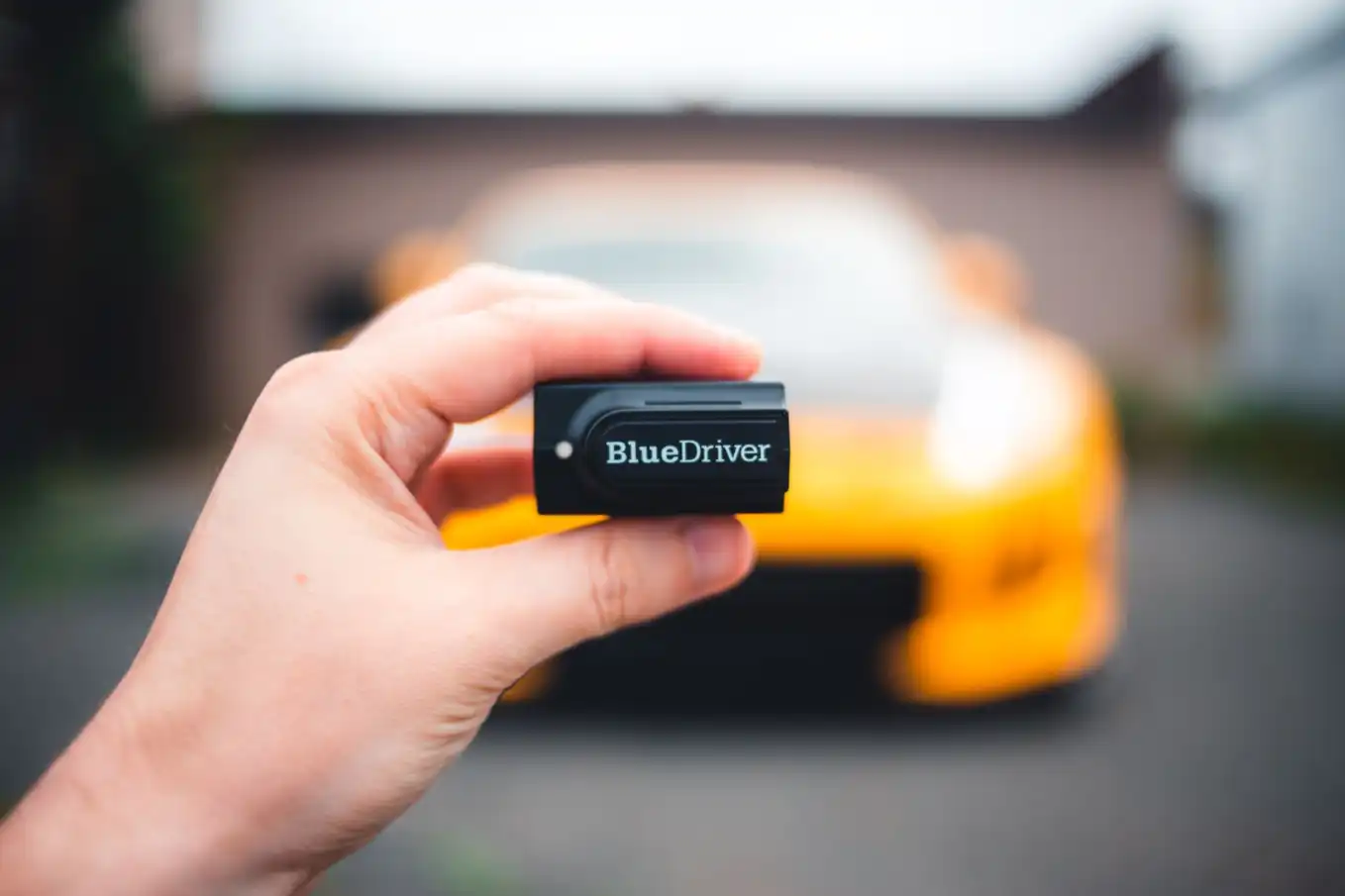
California legislators are actively considering a pivotal piece of legislation, Assembly Bill 311, which could fundamentally reshape how auto insurance is priced using driver telematics data. This proposed law, officially dubbed the Consumer Driving Data Protection Act of 2026, seeks to enable insurance carriers to offer premium discounts to drivers who voluntarily consent to having their driving behavior monitored through telematics technology. Could this represent a progressive step toward safer roads and fairer rates, or does it usher in an era of heightened privacy concerns?
The Core of AB 311 and Proposition 103
Assembly Bill 311 represents a significant proposed amendment to California’s long-standing bedrock insurance statute, Proposition 103. Enacted in 1988, Proposition 103 has historically limited the factors insurers can use to determine auto insurance rates, primarily focusing on driving record, miles driven, and years of driving experience. The introduction of driver telematics into this framework would mark a substantial shift, allowing for a more granular, behavior-based assessment of risk.
Assemblymember Tina McKinnor, D-Inglewood, the bill’s author, champions AB 311 as a means to enhance street safety and incentivize responsible driving. By directly linking driving habits to insurance costs, the bill aims to encourage motorists to adopt safer practices, theoretically leading to fewer accidents. Yet, critics, including the California Department of Insurance and various consumer advocacy groups, voice considerable apprehension regarding potential privacy infringements, transparency issues, and the risk of bias in pricing algorithms. How can legislators balance these competing interests effectively?
Navigating the Telematics Framework
Should AB 311 pass, it mandates a structured approach for insurers wishing to integrate driver telematics into their rating mechanisms. Any rate application proposing the use of telematics for establishing an insured’s driving record would need to include specific, detailed materials about the insurer’s telematics program. This requirement aims to ensure regulatory oversight and a degree of standardization in how these programs are implemented and evaluated.
Crucially, the bill restricts the use of telematics data strictly to the purpose of rating private passenger auto insurance. This limitation means data collected through these programs could not be repurposed for other commercial endeavors or shared without explicit, separate consent. Furthermore, it prohibits insurers from conditioning eligibility for a telematics discount unless that specific discount has received prior approval from the insurance commissioner. These provisions seek to establish a framework of consumer protection, ensuring that participation remains voluntary and beneficial to the policyholder.
“The promise of data-driven insurance is immense, offering the potential for fairer pricing based on individual behavior. However, without robust, explicit consent and strict data governance, that promise quickly devolves into a privacy nightmare.”
The proposed legislation also outlines stringent consent and privacy requirements. Drivers would need to provide clear, affirmative consent to have their data tracked, allowing them to make an informed decision about participating in telematics programs. This aspect is vital for maintaining consumer trust and preventing opaque data collection practices that could erode public confidence in such initiatives.
The Debate: Safety Incentives vs. Privacy Concerns
The debate surrounding driver telematics is multifaceted, pitting the allure of personalized pricing and enhanced road safety against significant ethical and privacy dilemmas. Proponents argue that rewarding good drivers with lower premiums is inherently fair, offering a tangible benefit for responsible behavior. It could also provide an incentive for those with less-than-perfect records to improve their habits, fostering a safer driving culture across the state. Does this not represent a logical evolution of insurance models?
However, the concerns raised by opponents are substantial. The sheer volume and granularity of data collected—including speed, braking patterns, mileage, and even route information—raise profound privacy questions. How will this data be secured against breaches? What mechanisms prevent its misuse or sale to third parties, despite the bill’s stated restrictions? Beyond privacy, there are worries about transparency: can consumers truly understand the algorithms that translate their driving data into a specific premium? There is also the thorny issue of potential bias, where certain demographic or geographic groups might be inadvertently penalized by algorithms, even if not intentionally designed to do so.
The legislative journey of AB 311 underscores these tensions. It has moved through various committees and is currently under review by the Senate Committee on Privacy, Digital Technologies, and Consumer Protection—a clear indication of the complex ethical and technical considerations at play. The outcome will set a precedent for how California, a leader in consumer protection, approaches data-driven innovation in regulated industries.
Driver Telematics: What Happens Next?
As AB 311 continues its progression through the California Legislature, its future remains uncertain. The discussions in the Senate Committee on Privacy, Digital Technologies, and Consumer Protection will undoubtedly shape the final form of the bill, potentially leading to further amendments to address lingering concerns. The outcome will significantly impact both insurance carriers seeking to modernize their risk assessment tools and consumers grappling with the trade-offs between cost savings and data privacy.
For California drivers, monitoring the legislative developments of this bill is paramount. Understanding the specific consent mechanisms and data usage policies will be crucial if telematics programs become a widespread option. Consumers should scrutinize any telematics offer, ensuring they fully comprehend what data is being collected, how it will be used, and what protections are in place. Will insurers offer truly compelling incentives to overcome privacy apprehensions?
Ultimately, the passage of the Consumer Driving Data Protection Act of 2026 would not just introduce a new pricing model; it would signify a major shift in the relationship between drivers, their vehicles, and their insurance providers. It will be a testament to California’s ability to balance technological advancement with robust consumer safeguards in an increasingly data-centric world.
Understanding Driver Telematics in Auto Insurance – Disclaimer
This article provides general information regarding proposed legislative changes to auto insurance telematics in California. It is not financial or legal advice. Insurance policies, rates, and regulations are complex and vary significantly. Readers should consult qualified insurance professionals or legal experts for advice tailored to their individual circumstances. Legislative outcomes and personal financial situations differ, and the implementation of telematics programs may evolve.
Frequently Asked Questions