
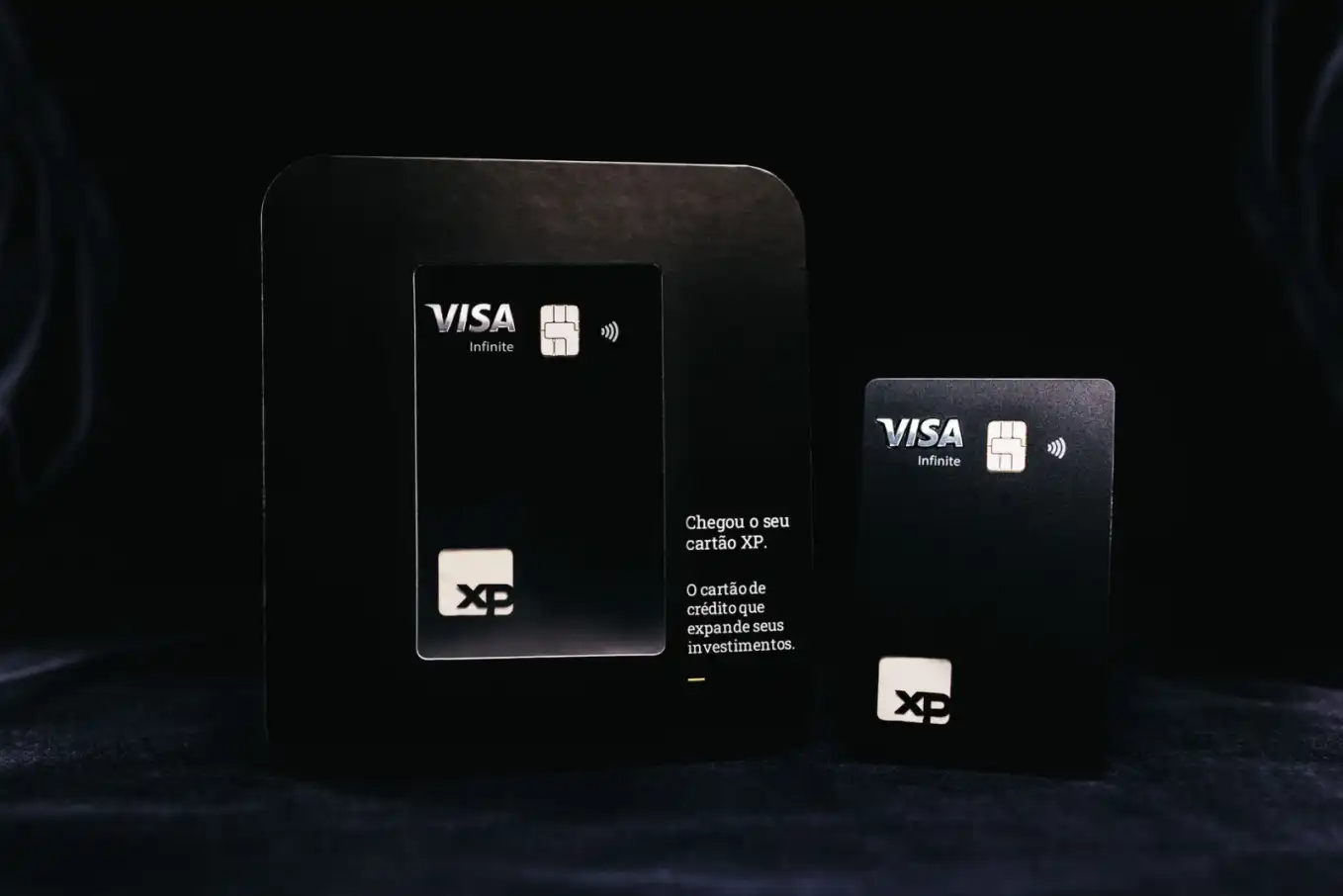
While debit card security often seems sufficient for everyday transactions, its use in online shopping environments presents distinct risks. Many consumers instinctively opt for debit, valuing direct fund management, but this approach overlooks critical protections inherent in other payment methods. Is the convenience truly worth the potential exposure?
The Vulnerability of Direct Funds Access
Opting for a debit card online creates a direct conduit to your primary checking account, a financial connection fraught with peril. When a fraudulent transaction occurs, the funds are immediately withdrawn from your account, causing an instantaneous financial shock. This direct depletion can lead to bounced payments for essential bills, overdraft fees, and a scramble to restore your account balance.
Credit cards, by contrast, utilize the bank’s money, not your own, for transactions. This fundamental difference acts as a crucial buffer between potential fraud and your personal liquidity. Consider the implications: should your debit card details be compromised, every dollar in your checking account becomes a target.
“Relying on a debit card for online purchases is akin to carrying your entire savings in your wallet – an unnecessary risk in the digital age.”
Before the establishment of robust consumer protection frameworks, recovering stolen funds payment method was a significantly more arduous task. While regulations have improved, the direct access inherent in debit cards makes them a gamble few savvy consumers should entertain for high-stakes online interactions. Isn’t preserving your immediate financial stability paramount?
Subpar Fraud Protection: A Stark Reality
The regulatory landscape for debit card security offers significantly less robust protection compared to credit cards. Under the Electronic Fund Transfer Act’s Regulation E, consumer liability for unauthorized debit card transactions can escalate rapidly based on reporting timeframes. If fraud is reported within two business days, your liability is typically capped at $50.
However, if you fail to report within that two-day window but do so within 60 days after your statement is sent, your liability can soar to $500. Beyond 60 days, you might be held responsible for all unauthorized transactions, a stark contrast to the Fair Credit Billing Act (FCBA) which caps credit card liability at $50, often waived entirely by issuers, even for late reporting. This discrepancy in liability alone should give any online shopper pause.
Many credit card issuers go beyond the FCBA, offering zero-liability policies that promise cardholders will not be held responsible for any unauthorized charges. Does your debit card offer the same blanket assurance? Understanding these critical differences in fraud protection is key to safeguarding your finances in an increasingly digital marketplace.
The Stalled Funds & Dispute Resolution Maze
When an unauthorized transaction hits your debit card, the direct impact extends beyond immediate fund loss; it initiates a potentially lengthy and disruptive dispute resolution process. Your bank will investigate the claim, but during this period, the disputed funds are typically frozen or simply absent from your account. This means money you rely on for rent, groceries, or other vital expenses could be inaccessible for days or even weeks.
Imagine your primary account depleted by hundreds or thousands of dollars while the bank investigates the fraudulent activity. How would this sudden lack of liquidity impact your ability to cover daily living costs? With credit cards, on the other hand, a dispute often results in a provisional credit, meaning the contested amount is temporarily removed from your balance while the investigation proceeds, with no impact on your personal bank account. This distinction is crucial for maintaining financial fluidity.
The burden of proof and the waiting period associated with debit card disputes can create significant stress and financial strain. Why subject your essential liquidity to an extended investigation when alternatives offer a smoother path to resolution and minimal personal impact? Prioritizing effective debit card security protocols is paramount.
Missing Out: Rewards, Benefits, and Credit Building
Beyond the critical aspect of fraud protection, utilizing debit cards for online purchases means foregoing a range of valuable benefits that credit cards routinely offer. Debit cards rarely provide rewards such as cash back, travel points, or airline miles – tangible incentives that can effectively reduce the cost of your spending. Furthermore, many credit cards include additional perks like extended warranties on purchased items, purchase protection against theft or damage, and even travel insurance.
These ancillary benefits, often overlooked, can save consumers significant money and provide peace of mind, especially for larger online expenditures. Does your debit card offer an extended warranty on that new gadget you just bought? Perhaps the most significant missed opportunity lies in credit building. Responsible credit card usage is a cornerstone of establishing a positive credit history.
This history is indispensable for securing favorable terms on mortgages, auto loans, and even some insurance policies or rental agreements. Debit card transactions, by their very nature, do not contribute to your credit score, making their exclusive use a missed opportunity to build financial leverage. It’s an integral part of long-term financial health, so why leave it untapped?
How Does This Online Payment Choice Affect You?
Given the inherent risks and lost opportunities, what is the concrete takeaway for the online consumer regarding debit card security? For the vast majority of online transactions, leveraging a credit card offers superior protection, convenience, and often, additional value. If you are concerned about overspending, consider setting a modest credit limit or utilizing virtual card numbers, which mask your actual credit card details during online checkouts.
For those who prefer to avoid credit entirely or are working to build credit, a secured credit card or a prepaid debit card can offer a safer alternative for online shopping, albeit without the credit-building benefits of traditional credit. Always monitor your bank and credit card statements diligently for any suspicious activity. Setting up transaction alerts can provide immediate notification of any unusual charges, allowing for quick action.
The landscape of online commerce continues to evolve, making vigilant payment practices more crucial than ever. By making informed choices about your payment methods, you can significantly enhance your financial safety and peace of mind. What steps will you take to reinforce your payment defenses today?
Online Payment Security Insights – Disclaimer
This article provides general information regarding debit and credit card use for online shopping and is not intended as personalized financial advice. Individual financial situations and legal protections may vary significantly. Readers are strongly encouraged to consult with a qualified financial advisor to discuss their specific circumstances and make informed decisions regarding their payment methods and financial security strategies.
Frequently Asked Questions
Related Articles
- ›AI Financial Advice: Is Your Adviser Prioritizing Profits Over Personalization?
- ›Rethinking Wealth: The True Pursuit of Happiness Beyond Accumulation
- ›Spending Your Nest Egg Without Heirs: A Guilt-Free Guide
- ›The Unforeseen Emotional Transition of Retirement: An Expert's Surprise
- ›Is Your Home Ready? Navigating the Challenges of Aging in Place