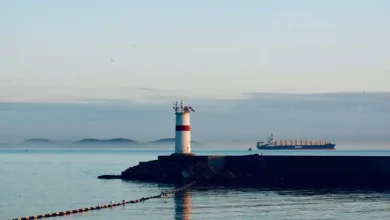
The recent US-Iran peace deal has brought a glimmer of hope to the 8,000 sailors still stranded in the Persian Gulf, behind the Strait of Hormuz. Among them is Abhijit Chopra, the captain of a crude oil tanker, who has been trapped since the war began in late February. Chopra and his 21-strong crew, mostly Indian with one Ukrainian, have been waiting for over 120 days, with no signs of celebration from nearby vessels or ships making haste towards the Strait of Hormuz.
As they wait, they have been battling fear, uncertainty, boredom, and negative thoughts. To cope, they have been dining together and bonding over old Hindi songs at karaoke. In early March, they even celebrated Holi, a major Hindu festival, onboard the tanker, painting each other’s foreheads with turmeric powder taken from their kitchen. But despite these attempts to boost morale, the reality of their situation remains dire.
The Human Cost of Geopolitical Conflict
The fate of these sailors is a stark reminder that the global economy is heavily dependent on individuals who face incredible risks to keep trade flowing. As Chopra notes, “Ultimately, we are just ordinary people. We are fathers, we are sons, we are husbands who are staying for months out at sea carrying out a duty.” The World Bank estimates that oceangoing ships are responsible for moving more than 80% of global goods, or about 70% in total value. Today, nearly 2.6 million seafarers serve onboard the world’s fleet of more than 85,000 merchant vessels, of Shipping.
The majority of these seafarers are recruited from lower-income countries, often in Asia, with the Philippines and India providing around 30% of the global workforce. Working on ships can be difficult and dangerous, with crews often away from home for months at a time. Seafarers’ conditions at sea are largely governed by the Maritime Labour Convention, an International Labour Organization treaty that outlines work and welfare rights, and touches on protections for them in extraordinary scenarios.
The Role of International Organizations
The International Maritime Organization (IMO), the United Nations agency tasked with regulating and coordinating global shipping, has been working to address the plight of stranded sailors. The IMO has been providing guidance and support to seafarers and shipowners, and has been working with governments and other stakeholders to find solutions to the crisis. However, the situation remains complex, and the IMO faces significant challenges in its efforts to resolve the issue.
As the situation continues to unfold, it is clear that the fate of the stranded sailors is closely tied to the outcome of diplomatic negotiations between the US and Iran. The recent peace deal has brought a glimmer of hope, but it is unclear when the Strait of Hormuz will reopen, and when the sailors will be able to return home. In the meantime, they remain at the mercy of geopolitical forces, working to keep their ships in service as missiles and drones pass overhead.
The Economic Impact of the Crisis
The crisis in the Persian Gulf has significant economic implications, not just for the sailors and shipowners, but for the global economy as a whole. The disruption to trade flows has already had a significant impact on global markets, and the situation is likely to worsen if the crisis is not resolved soon. The World Bank estimates that the crisis could cost the global economy billions of dollars in lost trade and economic activity.
As the situation continues to unfold, it is clear that the crisis in the Persian Gulf is a complex and multifaceted issue, with significant humanitarian, economic, and diplomatic implications. The fate of the stranded sailors is a stark reminder of the human cost of geopolitical conflict, and the need for urgent action to resolve the crisis and prevent further suffering.
What Should You Do About the Crisis?
As the situation continues to unfold, it is clear that the crisis in the Persian Gulf is a complex and multifaceted issue, with significant humanitarian, economic, and diplomatic implications. For individuals and organizations looking to get involved, there are several steps that can be taken. These include supporting organizations that provide aid and assistance to stranded sailors, advocating for diplomatic solutions to the crisis, and raising awareness about the issue.
Ultimately, the crisis in the Persian Gulf is a reminder of the need for urgent action to address the humanitarian, economic, and diplomatic implications of the situation. By working together, we can help to resolve the crisis and prevent further suffering for the stranded sailors and their families.
The global economy is heavily dependent on individuals who face incredible risks to keep trade flowing. It is our responsibility to ensure that these individuals are protected and supported, and that their rights and welfare are respected.
As we move forward, it is clear that the crisis in the Persian Gulf will have significant and far-reaching implications. It is our hope that by working together, we can find solutions to the crisis and prevent further suffering for the stranded sailors and their families.
Stranded Sailors – Disclaimer
This article does not replace professional advice. Outcomes may vary by individual circumstances. Consult a qualified expert for specific guidance. The information provided is for general informational purposes only.
Frequently Asked Questions
Related Articles
- ›California's Wildfire Protection Rules: A Perilous Downgrade?
- ›Aon's Strategic Move: What Do NFP Leadership Changes Signal?
- ›Texicare Network Expansion: A Strategic Move for San Antonio Healthcare?
- ›US-Canada Tariff Cuts: A Balm for Rising Insurance Claims Costs?
- ›Hui Ka Yan Sentence: A Reckoning for Corporate Excess