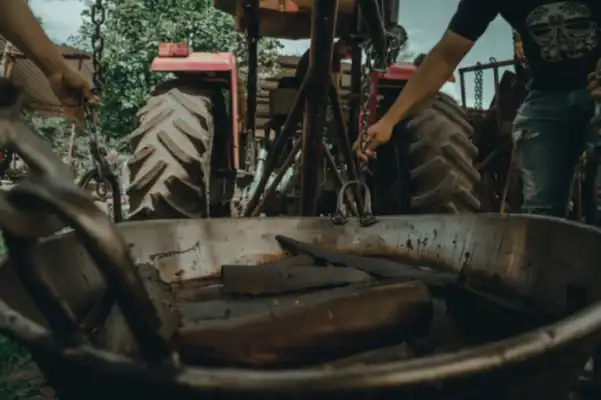
The landscape of agricultural equipment ownership is undergoing a profound transformation, spearheaded by recent developments concerning the right to repair. For years, farmers have grappled with manufacturers’ stringent control over diagnostics, parts, and maintenance, often leading to costly repairs and extended downtimes. This new chapter promises a shift towards greater autonomy for those who rely on heavy machinery for their livelihoods.
Does this mark a genuine turning point, or merely a strategic concession? The implications extend far beyond individual farms, touching upon market competition, consumer protection, and the very structure of the agricultural industry.
The Erosion of Agricultural Autonomy
For decades, farmers enjoyed a straightforward relationship with their equipment: if it broke, they could fix it themselves or take it to a local mechanic. This tradition of self-reliance, deeply embedded in agricultural culture, began to erode with the advent of increasingly sophisticated, computerized machinery. Modern tractors and combines, while marvels of engineering, became black boxes.
Proprietary software, specialized diagnostic tools, and restricted access to manuals transformed simple repairs into complex, often dealership-exclusive, procedures. Consider the scenario of a farmer needing a diagnostic code cleared to fix a minor sensor issue—a task that might take minutes with the right software, but previously necessitated an expensive service visit. This shift created significant economic strain and operational bottlenecks.
“The ability to repair one’s own equipment is not just about convenience; it’s about economic survival for many farming operations facing tight margins.”
The rise of these closed ecosystems fundamentally altered the cost structure of farming, pushing maintenance expenses higher and limiting independent repair businesses. What happens when a crucial piece of equipment breaks during harvest season, and the nearest authorized dealer is days away, or their service schedule is booked solid?
The pushback, fueled by farmer advocacy groups and consumer rights organizations, has been mounting, highlighting issues of consumer choice, fair competition, and data ownership. This broader movement, encompassing everything from smartphones to medical devices, found a particularly resonant voice within the agricultural sector.
Unpacking the Right to Repair Settlement
Under a new settlement, John Deere has agreed to grant farmers and independent repair shops expanded access to the tools and information necessary for equipment repair. This landmark agreement, influenced by regulatory scrutiny from bodies like the Federal Trade Commission, aims to address the long-standing grievances of the agricultural community. What specific provisions does this entail?
- Diagnostic Tools and Software Access: Farmers will gain access to proprietary diagnostic software and tools, often previously restricted to authorized dealerships. This includes the ability to diagnose issues, view error codes, and in some cases, calibrate certain components.
- Repair Manuals and Documentation: Comprehensive service manuals, wiring diagrams, and other technical documentation will be made available. This is crucial for understanding complex systems and performing repairs accurately.
- Non-OEM Parts Compatibility: The settlement encourages an environment where the use of non-original equipment manufacturer (OEM) parts will not automatically void warranties, fostering competition in the parts market. However, specific warranty clauses still need careful review by owners.
- Over-the-Air Update Provisions: While manufacturers retain control over critical software updates, the agreement aims to ensure that routine maintenance and diagnostic access are not unduly restricted by these updates. This helps maintain the integrity of self-repair capabilities.
This development signifies a significant pivot for a company that has historically guarded its intellectual property rigorously. While the specific legal framework often involves a Memorandum of Understanding (MOU) rather than legislative action, its practical effects are substantial. It sets a precedent, encouraging other manufacturers to reconsider their repair policies and potentially ushering in a new era of transparency and accessibility in the heavy equipment sector.
Economic Ripples: Farmers, Dealers, and Independent Shops
The economic implications of this right to repair settlement are multifaceted, impacting farmers directly while also reshaping the competitive landscape for dealerships and independent repair businesses. For farmers, the most immediate benefit is the potential for significant cost savings.
Reduced reliance on dealership service visits means lower labor costs and less downtime during critical planting and harvesting periods. Can you imagine the economic hit of a tractor sitting idle for days awaiting a technician, costing thousands in lost yield? This newfound ability to perform repairs on-site or through local, often more affordable, independent mechanics provides invaluable flexibility.
Independent repair shops, previously marginalized by the proprietary nature of modern machinery, now stand to benefit immensely. They can invest in the necessary diagnostic equipment and training, expanding their service offerings and competing more effectively with authorized dealerships. This increased competition could drive down service prices across the board, benefiting the entire agricultural ecosystem.
Dealerships, while potentially facing increased competition for routine maintenance, may need to adapt their business models. They might focus more on complex repairs, warranty services, and new equipment sales, emphasizing their unique expertise and access to factory training. This shift could lead to a more diversified and robust service market overall, fostering innovation rather than stifling it.
The Last Thing You Need to Know About Agricultural Right to Repair
This move by John Deere is more than just a corporate policy adjustment; it reflects a powerful and growing consumer advocacy movement. For individual farmers, the immediate takeaway is the opportunity to regain control over their operational costs and timelines. Access to diagnostic tools and repair manuals empowers them to make informed decisions about their equipment maintenance strategy. Does this mean the end of all repair challenges?
Certainly not. Modern agricultural equipment remains incredibly complex, and specialized knowledge will always be valuable. However, the playing field has undeniably leveled. Farmers should familiarize themselves with the specifics of the settlement, understanding what information and tools are now available, and how to access them.
This development also serves as a critical indicator for investors and policymakers. It highlights the increasing pressure on manufacturers across various sectors to adopt more open repair policies. The market is signaling a demand for longevity, sustainability, and consumer choice over proprietary lock-ins. Understanding this shift is vital for anyone assessing the future of industrial manufacturing and consumer goods markets.
Agricultural Equipment Repair Insights – Disclaimer
The information provided in this piece regarding the right to repair and its implications for agricultural equipment is for informational purposes only. It is not intended as legal, financial, or technical advice for specific repair procedures or business decisions. Individual circumstances and the specifics of any settlement or legal agreement may vary. Readers should consult with qualified legal counsel, financial advisors, or certified agricultural equipment technicians for personalized guidance on maintenance, repair, and contractual obligations.
Frequently Asked Questions