
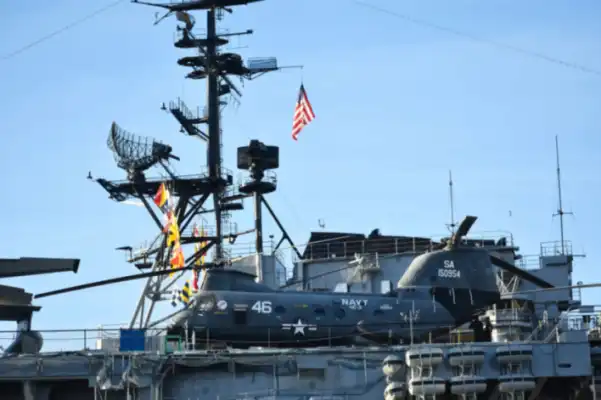
A Navy helicopter was forced to make an emergency landing in the Arabian Sea, resulting in one crew member going missing. The incident raises questions about the safety and emergency procedures of military aircraft. What could have caused this emergency landing, and how do such incidents affect the families of the crew members?
Background of the Incident
The Arabian Sea, where the incident occurred, is a critical region for international trade and military operations. The Navy’s presence in this area is essential for maintaining stability and security. However, the emergency landing of the helicopter highlights the risks and challenges faced by military personnel. The investigation into the incident will likely involve a thorough examination of the aircraft’s maintenance records, pilot training, and emergency procedures.
Technical details of the incident, such as the type of helicopter and the circumstances leading up to the emergency landing, are crucial in understanding what went wrong. The Navy’s fleet of helicopters includes the SH-60 Seahawk and the UH-1Y Venom, both of which are designed for a variety of missions, including search and rescue, medical evacuation, and anti-submarine warfare. The emergency landing procedure involves a series of complex steps, including alerting nearby ships and aircraft, securing the area, and preparing for potential rescue operations.
Cause of the Emergency Landing
The exact cause of the emergency landing is still unknown and is being investigated. However, possible factors could include mechanical failure, adverse weather conditions, or human error. Mechanical failure could be due to a variety of reasons, such as a malfunctioning engine, faulty navigation system, or problems with the aircraft’s control surfaces. Adverse weather conditions, such as strong winds or low visibility, could also have contributed to the emergency landing. Human error, including pilot mistake or inadequate training, is another possible factor.
Can the combination of these factors be ruled out, or is it possible that a single cause led to the emergency landing? The investigation will aim to determine the root cause of the incident and make recommendations to prevent similar incidents in the future. What role does pilot training play in preventing such incidents, and how can it be improved?
Search and Rescue Operations
Following the emergency landing, search and rescue operations were initiated to locate the missing crew member. These operations involve a coordinated effort between the Navy, nearby ships, and aircraft. The search area is typically defined based on the last known location of the aircraft and the estimated drift of the crew member. Search and rescue teams use a variety of equipment, including sonar, radar, and infrared sensors, to locate the missing person.
What are the challenges faced by search and rescue teams in such operations, and how do they overcome them? The incident highlights the importance of effective communication, coordination, and training among the teams involved. How do the families of the crew members cope with the uncertainty and waiting during such operations?
Implications for Military Operations
The incident has implications for military operations, particularly in terms of safety and emergency procedures. The Navy will likely review its protocols and procedures to ensure that such incidents are minimized in the future. This may involve updates to pilot training, maintenance procedures, and emergency response plans. The incident also underscores the importance of international cooperation and coordination in search and rescue operations.
What are the potential consequences of such incidents on the morale and effectiveness of military personnel? The incident raises questions about the psychological impact on the crew members and their families. How can the military support the families of missing crew members during such incidents?
What Should You Do About Navy Helicopter Safety?
The incident highlights the importance of prioritizing safety in military operations. For those concerned about Navy helicopter safety, it is essential to stay informed about the latest developments and investigations into such incidents. Supporting the families of military personnel and advocating for improved safety measures can also make a difference. What can be done to improve the safety of military aircraft, and how can the public contribute to this effort?
The safety of our military personnel is of utmost importance, and incidents like these remind us of the risks and challenges they face every day.
The investigation into the incident will provide more information about what happened and how to prevent similar incidents in the future. In the meantime, the focus should be on supporting the families of the crew members and ensuring that the Navy takes all necessary steps to prioritize safety.
Navy Helicopter Safety – Disclaimer
This article does not replace professional advice from a qualified military or aviation expert. The outcomes of military operations and incidents may vary based on individual circumstances. Readers should consult a qualified professional for specific information and guidance.
Frequently Asked Questions