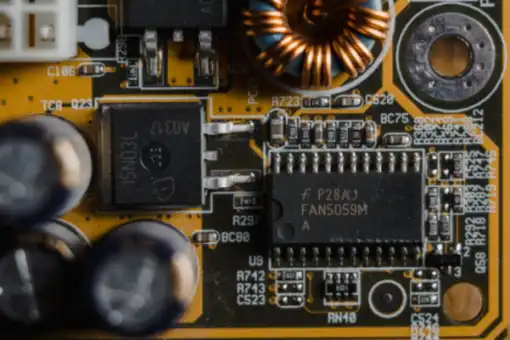
The financial landscape of mid-2026 presents a compelling study in market divergence, with crude oil markets showing robust strength while the semiconductor sector faces persistent headwinds. This stark contrast between traditional commodities and cutting-edge technology assets demands careful consideration from investors and analysts alike. What factors are driving these distinct trajectories?
The Resurgence of Crude Oil Markets
Crude oil prices have experienced a significant upswing, reflecting a confluence of persistent geopolitical tensions, robust global demand, and strategic supply management. Brent crude, the international benchmark, has consistently traded above $90 is upward pressure is not merely speculative; it is underpinned by tangible shifts in global energy dynamics.
Demand, particularly from burgeoning economies in Asia and Africa, remains strong, fueled by industrial expansion and increasing mobility. Concurrently, major oil-producing nations, notably OPEC+, have maintained a disciplined approach to output, often prioritizing market stability and higher prices over increased volume. Do these supply-side constraints, coupled with steady demand, signal a more enduring shift?
Furthermore, underinvestment in new upstream projects during earlier periods of lower prices is now manifesting as a structural challenge, limiting the ability to rapidly expand supply even at elevated price points. This scenario echoes commodity supercycles of the early 2000s, suggesting that energy markets may be entering a sustained period of higher prices. Investors eyeing the energy sector must discern between cyclical spikes and these more fundamental, longer-term reconfigurations.
Semiconductor Sector’s Prolonged Chill
In stark contrast to crude oil’s buoyancy, the semiconductor industry continues to navigate a complex downturn. Following the unprecedented demand surge during the pandemic, the sector now grapples with an oversupply, particularly in memory chips and certain consumer-facing logic components. Q2 2026 semiconductor sales figures have shown a notable 15% year-over-year contraction, indicating a deeper and more prolonged inventory digestion cycle than many initially anticipated.
Global economic uncertainties have dampened consumer spending on electronics, from smartphones to personal computers, directly impacting chip orders. Geopolitical trade restrictions, especially those affecting advanced chip technology and manufacturing equipment, also introduce significant friction and uncertainty across the supply chain. Is the market truly underestimating the structural challenges facing chipmakers?
Major manufacturers are scaling back capital expenditure plans, signaling a cautious outlook on future demand growth. While areas like artificial intelligence (AI) and high-performance computing continue to show strong demand for specialized chips, this niche strength has yet to fully offset broader weakness across the industry. The sector faces a critical juncture, balancing innovation requirements with prevailing market saturation.
“The chasm between robust commodity markets and a struggling tech sector highlights the critical need for diversified investment strategies that account for both cyclical and structural shifts.”
Macroeconomic Ripples of Market Divergence
This distinct market divergence between crude oil and semiconductors sends conflicting signals through the broader macroeconomic environment. Rising energy costs contribute directly to inflationary pressures, impacting transportation, manufacturing, and consumer goods prices. This persistent inflation complicates central bank policy, potentially necessitating a tighter monetary stance for longer.
Conversely, the downturn in the semiconductor industry, a key driver of technological advancement and productivity, introduces disinflationary forces. Lower chip prices and reduced capital expenditure in tech could dampen overall economic growth expectations and employment within the high-tech sector. How do policymakers balance these opposing forces?
The capital markets are already reflecting this dynamic through significant sector rotation. Investors are increasingly reallocating funds from growth-oriented technology stocks into value-driven commodity and industrial sectors. This shift underscores a broader re-evaluation of market leadership and risk premiums across different asset classes. Understanding these macroeconomic undercurrents is crucial for portfolio construction.
Navigating This Market Divergence: What Happens Next?
Given the pronounced market divergence, how should investors position themselves? A nuanced approach is paramount, moving beyond broad market indices to focus on sector-specific fundamentals and long-term catalysts. For crude oil, monitoring global inventory levels, geopolitical developments, and OPEC+ cohesion will remain critical. The energy transition narrative also plays a role; how fast will renewables displace traditional fuels amidst current price strength?
- Diversification beyond traditional bounds: Consider exposure to sectors that benefit from rising commodity prices, such as energy, materials, and industrials, while carefully evaluating risk in overexposed tech holdings.
- Focus on quality within tech: In the semiconductor space, identify companies with strong balance sheets, differentiated intellectual property in high-growth niches like AI, and resilient business models. Avoid broad-brush exposure to the entire sector.
- Long-term strategic re-evaluation: Assess how current trends fit into a multi-year investment horizon. Are these short-term corrections or fundamental shifts in global economic drivers?
This environment rewards active management and deep fundamental analysis over passive strategies. Vigilance and adaptability will be key virtues, ensuring portfolios are resilient against volatility and positioned to capture opportunities emerging from these evolving market dynamics. The coming quarters will further clarify whether these divergent paths converge or continue to widen.
Crude Oil & Semiconductor Market Insights – Disclaimer
The information provided in this piece regarding crude oil and semiconductor market trends is for informational purposes only and does not constitute financial advice. Market conditions are subject to rapid change, and individual investment outcomes may vary significantly. Readers should consult with a qualified financial advisor to discuss their specific investment goals and risk tolerance before making any investment decisions related to commodities, technology stocks, or any other asset class.
Frequently Asked Questions