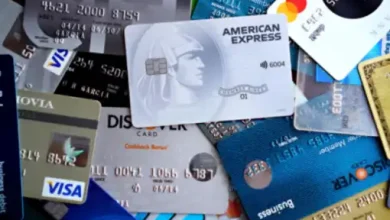

The landscape of consumer payments is undergoing a significant transformation, with a notable surge in the adoption of digital wallets across various demographics. This shift is particularly pronounced among younger consumers and those navigating tighter household budgets, fundamentally redefining what a payment application represents.
The Evolving Landscape of Digital Wallets
Consumer behavior regarding digital payment methods has reached an inflection point, particularly among younger generations. A substantial 36% of Gen Z consumers utilized a digital wallet for their most recent retail purchase in November 2025 alone, marking a dramatic increase from just 15% in March 2024. Does this signify a permanent change in how future generations will manage their finances?
Across all consumer segments, digital wallet usage reached 15% during the same November 2025 period, representing a robust 50% increase compared to March 2024. This burgeoning adoption transcends mere online convenience, as evidenced by significant increases in in-store retail purchases, where usage climbed by 63% between March and November 2025. Similarly, online grocery wallet usage rose by 55%, while in-store grocery usage saw a 38% bump.
Such comprehensive growth across different channels indicates that consumers are no longer reserving digital wallets for specific transaction types. Instead, these tools are becoming an integrated part of daily spending, demonstrating a powerful shift in transactional habits that providers must acknowledge and adapt to.
Financial Pressure Fueling Digital Wallet Adoption
While convenience certainly plays a role, financial strain appears to be a significant accelerant in the widespread adoption of digital wallets. Consumers experiencing high financial stress are notably more reliant on these platforms; 28% of them used a digital wallet for their latest retail purchase, contrasting sharply with only 11% among consumers experiencing low financial stress. This disparity begs the question: are digital wallets offering a lifeline to those struggling with traditional credit avenues?
The trend is even more pronounced in essential spending categories. For grocery purchases, 21% of high-stress consumers opted for a digital wallet, more than double the 8% share among their low-stress counterparts. This figure among the high-stress group alone more than doubled from 10% in March 2024, highlighting a rapid behavioral adaptation. For individuals living paycheck to paycheck and confronting difficulties in meeting their bills, wallet usage for retail purchases climbed to 22%, up from 14% previously.
This data suggests that digital wallets are evolving into crucial access points for consumers seeking financial flexibility without over-reliance on traditional credit cards. Whether drawn to embedded buy now, pay later (BNPL) options or the immediate visibility of balances and transactions, these features offer a sense of control crucial during economic uncertainty. The confluence of technological ease and financial necessity creates a potent driver for continued expansion in this segment.
“The digital wallet is rapidly shedding its skin as a mere virtual cardholder, emerging instead as a dynamic household financial dashboard, particularly for those who need precise budget control.”
Beyond Transactions: Digital Wallets as Financial Dashboards
The transformation of digital wallets goes far beyond simply replicating physical cards in a digital format. These platforms are increasingly functioning as comprehensive financial management tools, providing users with a level of insight and control previously confined to dedicated budgeting applications. What does this fundamental shift mean for the future of personal finance?
This evolution aligns perfectly with the needs of consumers under financial duress, who require immediate and clear visibility into their spending. The features now extending beyond simple card storage include:
- Installment plans: Offering flexibility for larger purchases, allowing consumers to manage cash flow without immediate full payment.
- Real-time balance visibility: Providing instant updates on available funds and transaction history, crucial for tight budgets.
- Tools that help organize spending: Categorizing expenditures and offering insights that empower users to make informed financial decisions.
This functional expansion positions digital wallets as central hubs for personal finance, rather than just transaction facilitators. The capability to integrate budgeting, spending analytics, and flexible payment options within a single interface makes them invaluable for navigating complex financial landscapes. This marks a profound departure from older payment systems, emphasizing utility and empowerment alongside transactional speed.
What Should FinTechs Do About Digital Wallets?
The undeniable momentum behind digital wallets presents a significant opportunity for banks, FinTechs, and existing wallet providers alike. Consumers have clearly articulated their expectations: these tools are not just for payment, but for practical money management, especially when household budgets are strained. How can providers capitalize on this evolving demand?
Success in this dynamic environment will hinge on transparency and user empowerment. Providers must ensure that costs, repayment terms, and available funds are not just accessible but are presented with utmost clarity and simplicity. This focus on intuitive design and straightforward communication can transform rising usage figures into deeply entrenched, durable customer relationships.
Ignoring this shift risks alienating a growing segment of financially savvy, digitally native consumers. By prioritizing features that enhance financial literacy and control – rather than merely speeding up checkout – companies can solidify their position in a competitive market. The takeaway is clear: the future of digital wallets lies in their capacity to serve as trusted financial partners, not just payment conduits.
Navigating Digital Wallet Trends – Disclaimer
The insights provided in this piece regarding digital wallet adoption and financial trends are for informational purposes only. It does not constitute financial advice. Individual financial situations and outcomes can vary significantly based on personal circumstances and economic conditions. Readers should consult with a qualified financial professional to discuss their specific investment strategies or financial planning needs before making any decisions based on this information.
Frequently Asked Questions
Related Articles
- ›Regions Bank Digital Adoption Soars: What Drives 80% Transactions?
- ›Crypto Regulation Uncertainty Grows as Senate Recess Looms
- ›Rethinking Buy Now Pay Later: Is Your Bank Missing the Mark?
- ›CFOs Face a New Imperative for Legal Spend Management
- ›Truist's Q2 Performance: Deepening Ties Through Digital Banking Engagement