
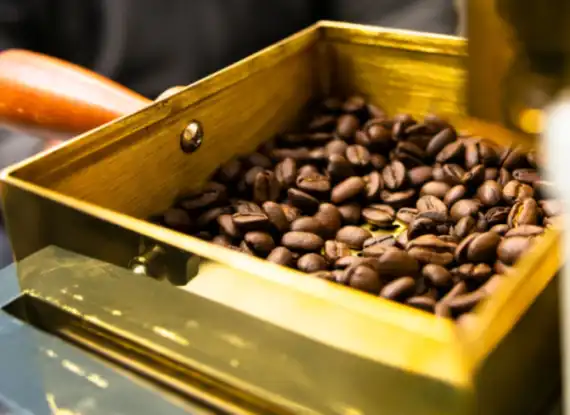
The US coffee industry is actively lobbying to preserve the crucial Brazil beans tariff exemption, a trade policy mechanism pivotal for maintaining stable supply chains and competitive pricing. This appeal underscores a significant concern for roasters and retailers alike, highlighting the delicate balance between international trade agreements and domestic economic stability.
The Core of the Brazil Beans Tariff Exemption Debate
At the heart of the current trade discussion lies the long-standing exemption for Brazilian green coffee beans from certain US tariffs. Why has this particular exemption been so vital to American coffee businesses? Brazil stands as the world’s largest producer of coffee, supplying a substantial volume of both Arabica and Robusta varieties that are integral to a vast array of coffee products consumed across the United States.
Historically, trade policies between the US and Brazil have sought to facilitate the flow of agricultural goods, recognizing the mutual benefits derived from such commerce. A sudden re-imposition of tariffs on these beans would fundamentally alter the cost structure for virtually every coffee company operating within the US, from multinational corporations to local artisanal roasters. Consider the implications: a direct increase in raw material costs, which would then ripple through the entire supply chain.
“The stability provided by tariff exemptions on key agricultural imports like Brazilian coffee is not merely a convenience; it’s a foundational element for price predictability and long-term investment planning within the industry.”
The industry’s plea reflects a desire to avoid an additional financial burden that could impede growth and innovation. Maintaining the status quo on the Brazil beans tariff exemption is thus framed as a measure to safeguard an industry that supports thousands of jobs and contributes significantly to the US economy.
Economic Implications for the US Coffee Industry
Should the Brazil beans tariff exemption be revoked, the economic repercussions for the US coffee industry would be swift and substantial. American roasters, who rely heavily on Brazil’s consistent output, would face immediate cost increases. This additional expense would directly erode profit margins for businesses already navigating volatile commodity markets and rising operational costs.
What happens when input costs rise so dramatically? These elevated expenses are almost invariably passed on to consumers. Shoppers could expect to see higher prices at grocery stores for packaged coffee, as well as increased costs for their daily brews at cafes and coffee shops. This could potentially dampen consumer demand, leading to reduced sales volumes for retailers and further financial strain on the industry.
The competitiveness of US-based coffee businesses could also be undermined. Companies might struggle to compete with international counterparts that do not face similar tariff-induced cost pressures. Furthermore, smaller roasters, with less capacity to absorb increased costs or pivot to alternative sourcing, would be particularly vulnerable. Could such a shift lead to market consolidation, squeezing out independent businesses?
- Increased Raw Material Costs: Direct impact on green coffee bean procurement.
- Higher Consumer Prices: Inevitable pass-through to retail and foodservice.
- Reduced Profit Margins: Erosion for roasters and retailers.
- Supply Chain Volatility: Pressure to find alternative, potentially less suitable, sources.
- Job Security Concerns: Potential for layoffs if demand drops significantly or businesses struggle.
The industry views maintaining the Brazil beans tariff exemption as critical to preserving economic stability, consumer affordability, and the robust competitive landscape that currently defines the American coffee market.
Global Coffee Market Dynamics and Trade Policy
The potential removal of the Brazil beans tariff exemption extends beyond domestic economic concerns, touching upon the intricate dynamics of the global coffee market and broader international trade policy. Brazil’s role as a dominant producer means any significant shift in its trade relationship with a major consumer like the United States sends ripples worldwide. Other producing nations such as Vietnam, Colombia, and Ethiopia would likely see increased demand, but their combined capacity might not fully offset Brazil’s immense volume, leading to supply tightness and further price hikes globally.
From a trade policy perspective, tariffs are often employed as tools to protect domestic industries, generate revenue, or exert political leverage. However, their application also carries the risk of retaliatory measures and can strain diplomatic relations. The US coffee industry’s advocacy highlights a clear conflict between potential protectionist impulses and the practical realities of sourcing essential commodities from the most efficient and abundant suppliers.
This situation also raises questions about the consistency of international trade frameworks. A shift in policy could signal uncertainty for other agricultural and commodity markets, potentially impacting future investment and long-term trade agreements. How do nations balance sovereign economic interests with the interconnectedness of global supply chains? The ongoing debate over the Brazil beans tariff underscores the complex, often delicate, negotiations inherent in international commerce.
What Should US Coffee Drinkers Expect Next?
For the average US coffee drinker, the immediate future hinges on policy decisions regarding the Brazil beans tariff exemption. In the short term, any move to re-impose tariffs would likely translate into noticeable increases in coffee prices, both at retail and in cafes. Consumers might find their morning cup becoming a little more expensive, or see brands adjusting product sizes to manage costs.
Looking further ahead, persistent tariffs could compel US coffee companies to diversify their sourcing significantly. While diversification can be beneficial, it often comes with challenges related to consistency in flavor profiles, quality control, and developing new supply chain logistics. This is not a trivial undertaking for an industry built on specific bean characteristics and established relationships.
The coffee industry, through its powerful advocacy groups, will undoubtedly continue to press its case to policymakers, emphasizing the economic benefits of maintaining free trade in this essential commodity. Ultimately, this situation serves as a tangible example of how trade policy decisions, often made in distant government chambers, directly influence everyday consumer goods. Will the US prioritize domestic industry costs and consumer prices, or will broader trade objectives take precedence?
The last thing you need to know about the Brazil beans tariff exemption is that its resolution will be a key indicator of future trade policy direction, impacting not just coffee, but potentially a broader range of agricultural imports.
Navigating Coffee Trade Policies – Disclaimer
This article provides general information and analysis on the potential impact of trade policies concerning coffee imports. It does not constitute financial, investment, or legal advice. Market conditions and policy decisions can change rapidly, and individual outcomes may vary significantly. Readers should consult with qualified financial advisors, trade experts, or legal professionals for advice tailored to their specific circumstances and before making any economic or business decisions.
Frequently Asked Questions
Related Articles