
The landscape of commercial transactions is undergoing a fundamental B2B payment evolution, subtly yet profoundly shifting away from the traditional invoice. Businesses globally dispatched approximately 560 billion invoices in 2024, with a striking majority remaining non-electronic—either paper or static PDFs requiring manual processing. This reliance on outdated methods creates a significant drag on efficiency and cash flow, forcing many to reconsider established procurement practices.
How much longer can this archaic system endure in an increasingly digital economy? The undeniable truth is that while the sheer volume of invoices might suggest its continued health, a silent revolution is rendering it increasingly irrelevant. Modern digital tools are transforming the invoice into a dynamic shopping cart, inherently faster and integrated with immediate payment mechanisms, fundamentally altering how enterprises conduct their purchasing.
From Paper Trails to Digital Carts
The slow, cumbersome nature of traditional invoices stands in stark contrast to the accelerating pace of modern B2B payment evolution. Generating an invoice, keying it into another system, chasing approvals by phone, and then waiting weeks or even months for settlement is a process ripe for disruption. Such inefficiencies are not merely minor inconveniences; they represent substantial operational costs and liquidity challenges for businesses of all sizes.
Enter the digital shopping cart, a concept long familiar in the consumer realm, now making significant inroads into B2B commerce. This isn’t just about digitizing a paper form; it’s about fundamentally rethinking the transaction lifecycle. By embedding payment directly into the ordering process, the shopping cart model bypasses many of the friction points inherent in traditional invoicing. Consider the strategic advantage gained when transactions move from a protracted, multi-step process to a swift, pre-approved flow.
This shift reflects a broader demand for instant gratification and streamlined operations, mirroring the expectations set by consumer e-commerce experiences. While the complexities of B2B transactions are often greater, the underlying desire for speed and clarity remains consistent. The transition from an invoice-driven model to a cart-centric approach is proving to be a powerful catalyst for efficiency, pushing companies to embrace integrated solutions that minimize administrative overhead and accelerate transaction closure.
Tail Spend Paves the Way for B2B Payment Evolution
The initial wave of this transformation has been most evident in managing what is known as ‘tail spend’—the myriad small, often irregular purchases that don’t typically warrant extensive procurement cycles. Items like office supplies, breakroom provisions, and everyday consumables historically fell into an administrative black hole, often managed with internal purchase orders that still generated invoices. The shift here highlights a significant facet of B2B payment evolution: the consumerization of business buying.
Today, small and mid-sized businesses (SMBs) are increasingly turning to major e-commerce platforms. Amazon Business, for instance, is projected to capture over $80 billion in volume, showcasing its formidable presence. A 2025 Capitol One study further underscored this trend, revealing that a substantial 57% of U.S. B2B buyers now make purchases through Amazon Business, with 39% utilizing Walmart Business. Even warehouse retailers like Costco are experiencing double-digit digital channel growth quarter after quarter.
“The digital shopping cart is not just a tool for convenience; it’s a strategic weapon for streamlining B2B operations and unlocking hidden efficiencies, making the traditional invoice an increasingly anachronistic relic.”
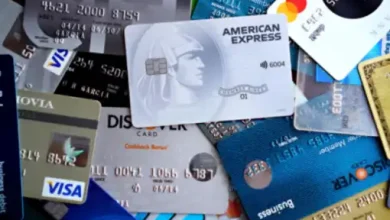
This behavior is not simply consumer habits spilling into the workplace; it signifies a deliberate strategic choice by procurement leaders within SMBs. They are filling virtual shopping carts with essential business items, leveraging business accounts with pre-loaded commercial or virtual cards. This allows for immediate checkout, eliminating the need for a separate invoice process, and effectively transforming routine operational purchases into quick, e-commerce-style transactions. The era of the cumbersome, manually processed invoice for everyday items is rapidly drawing to a close.
Strategic Procurement Embraces the PunchOut Model
While tail spend offers a clear entry point, the true depth of B2B payment evolution is unfolding in the strategic and planned procurement of core business materials. This involves highly negotiated, often relationship-bound transactions that traditionally relied heavily on complex invoicing. Yet, even here, the digital cart is gaining supremacy, often through sophisticated integrations like **PunchOut** systems.
Consider the steel fabrication industry. Historically, acquiring steel involved contacting multiple service centers, requesting quotes, and enduring significant delays. Platforms like Bryzos now allow buyers to input their specifications, view real-time pricing, and place orders in under a minute—a stark contrast to the multi-day negotiation process. Similarly, manufacturers sourcing chemicals previously navigated sales representatives and intricate contracts. ChemDirect now offers access to hundreds of thousands of products, near-perfect order rates, and embedded payment terms, effectively turning a complex sourcing task into a cart-based transaction.
The **PunchOut** model is the unsung hero enabling this transformation within strategic procurement. It works by integrating supplier catalogs directly into a buyer’s existing procurement system, offering a seamless experience without leaving their familiar platform. Here’s how it streamlines the process:
- The supplier exposes a digital catalog containing their products and services.
- The buyer’s authorized purchasers, working within their own procurement platform, ‘punch out’ to this external catalog.
- They view products and contract pricing specifically negotiated for their account, ensuring compliance and cost control.
- Purchasers fill a virtual cart with the required items.
- The filled cart and its details are seamlessly sent back into the buyer’s internal approval workflow for final authorization.
This sophisticated integration is a direct outcome of the ongoing B2B payment evolution, effectively eliminating the need for a separate invoice. The payment is reconciled within the buyer’s system, based on pre-approved terms and catalog pricing, with the catalog acting as the primary transaction interface.
B2B Payment Evolution: What Happens Next?
The implications of this profound B2B payment evolution are far-reaching, signaling a fundamental re-architecture of commercial relationships. The critical insight from these evolving platforms—be it Amazon Business, Bryzos, or PunchOut integrations—is that they prioritize solving payments at the outset, not as an afterthought. This inherent focus on embedded, upfront payment mechanisms is key to their success and a harbinger of future B2B commerce.
For suppliers, this means an imperative to develop robust digital catalogs and integrate with various procurement platforms, ensuring their offerings are easily discoverable and transactable within a cart-centric ecosystem. Those who cling to purely traditional, invoice-heavy processes risk losing market share to more agile competitors. Are businesses prepared to invest in the digital infrastructure necessary to remain competitive?
For buyers, the benefits are clear: enhanced efficiency, greater transparency, better spend visibility, and reduced administrative burdens. The shift empowers procurement teams to move faster, optimize costs, and focus on strategic sourcing rather than chasing paperwork. Businesses must recognize this B2B payment evolution as an opportunity to modernize their entire operational backbone, embracing systems that support real-time transactions and data-driven decisions. The future of B2B commerce isn’t just about faster payments; it’s about smarter, more integrated transactions that drive economic growth.
Navigating B2B Payment Evolution – Disclaimer
The insights provided regarding B2B payment evolution are for informational purposes only and do not constitute financial or business advice. The market dynamics and technological adoptions discussed are general observations, and individual business outcomes may vary significantly based on specific circumstances, industry, and implementation strategies. Readers should consult with qualified financial, technological, or business consultants before making any strategic decisions related to their payment and procurement processes.
Frequently Asked Questions
Related Articles